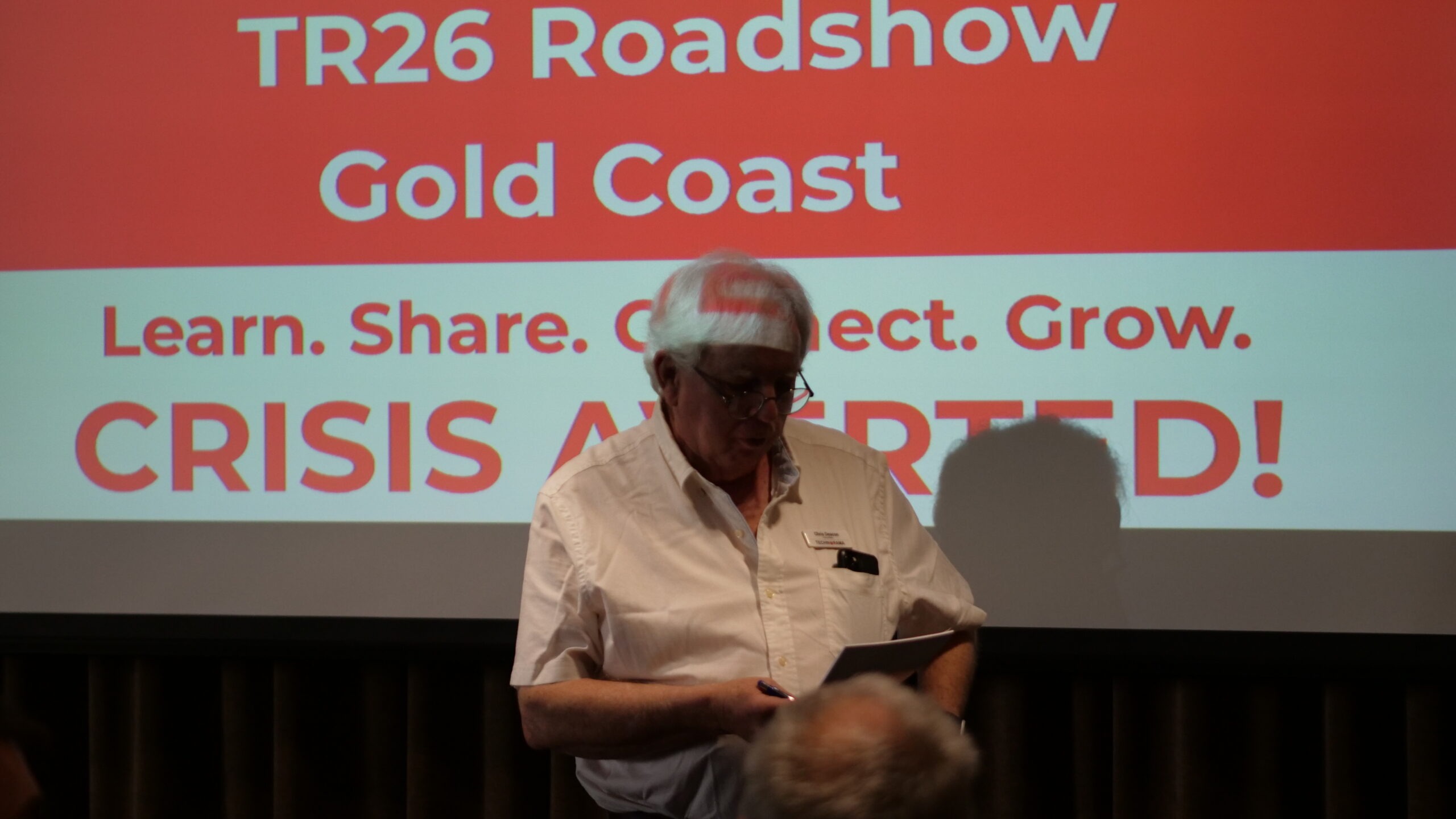
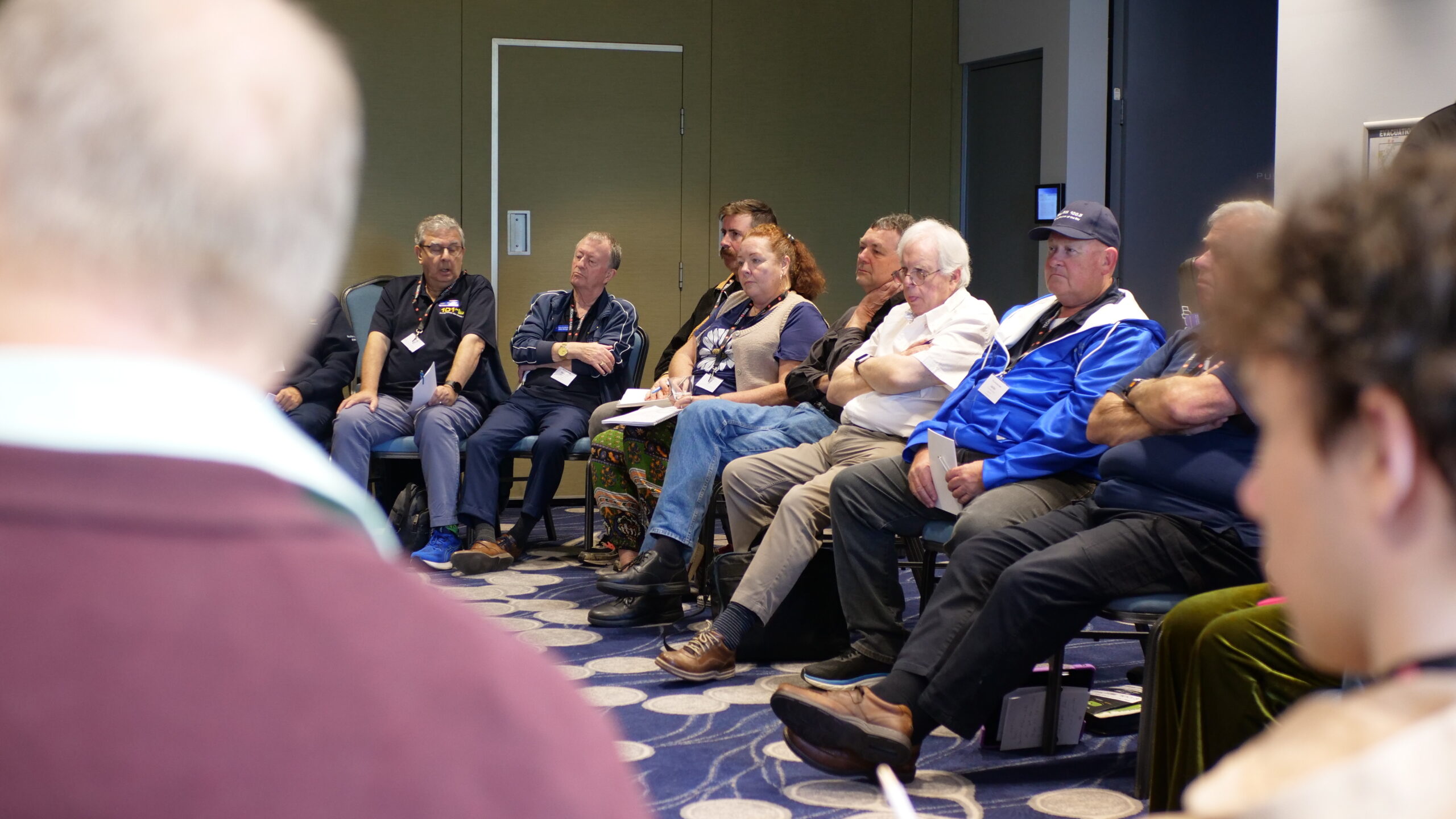
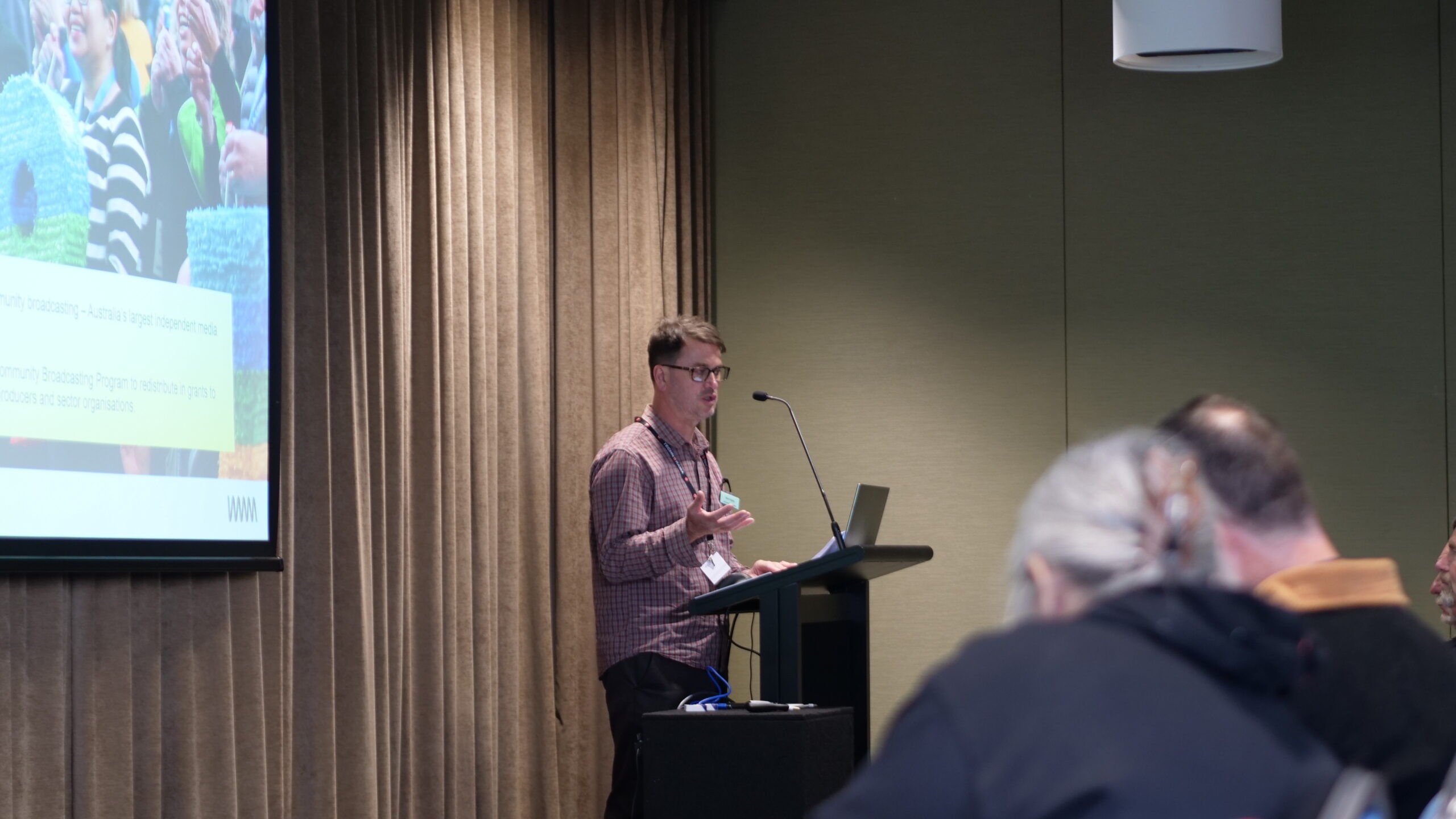
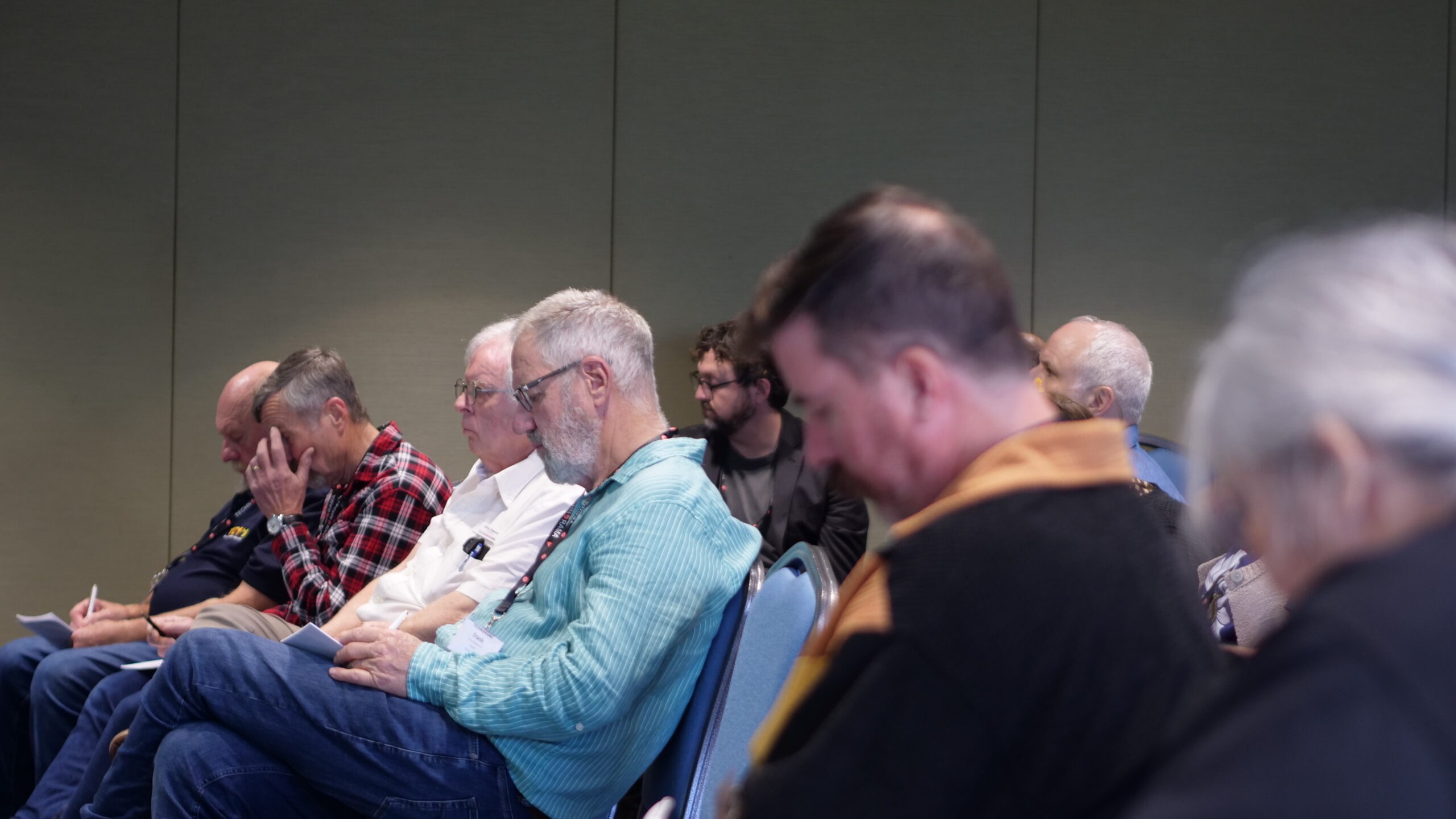
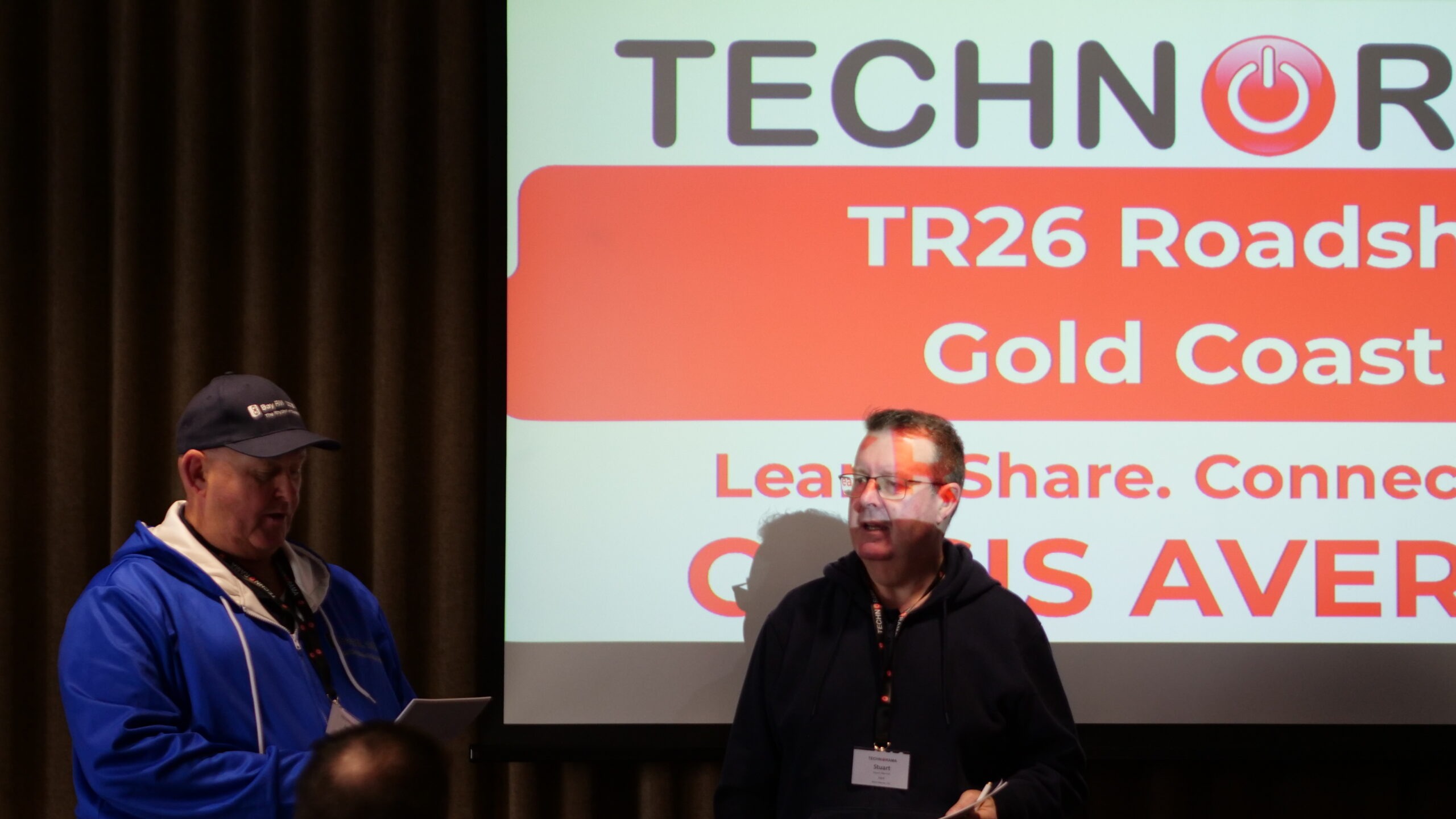
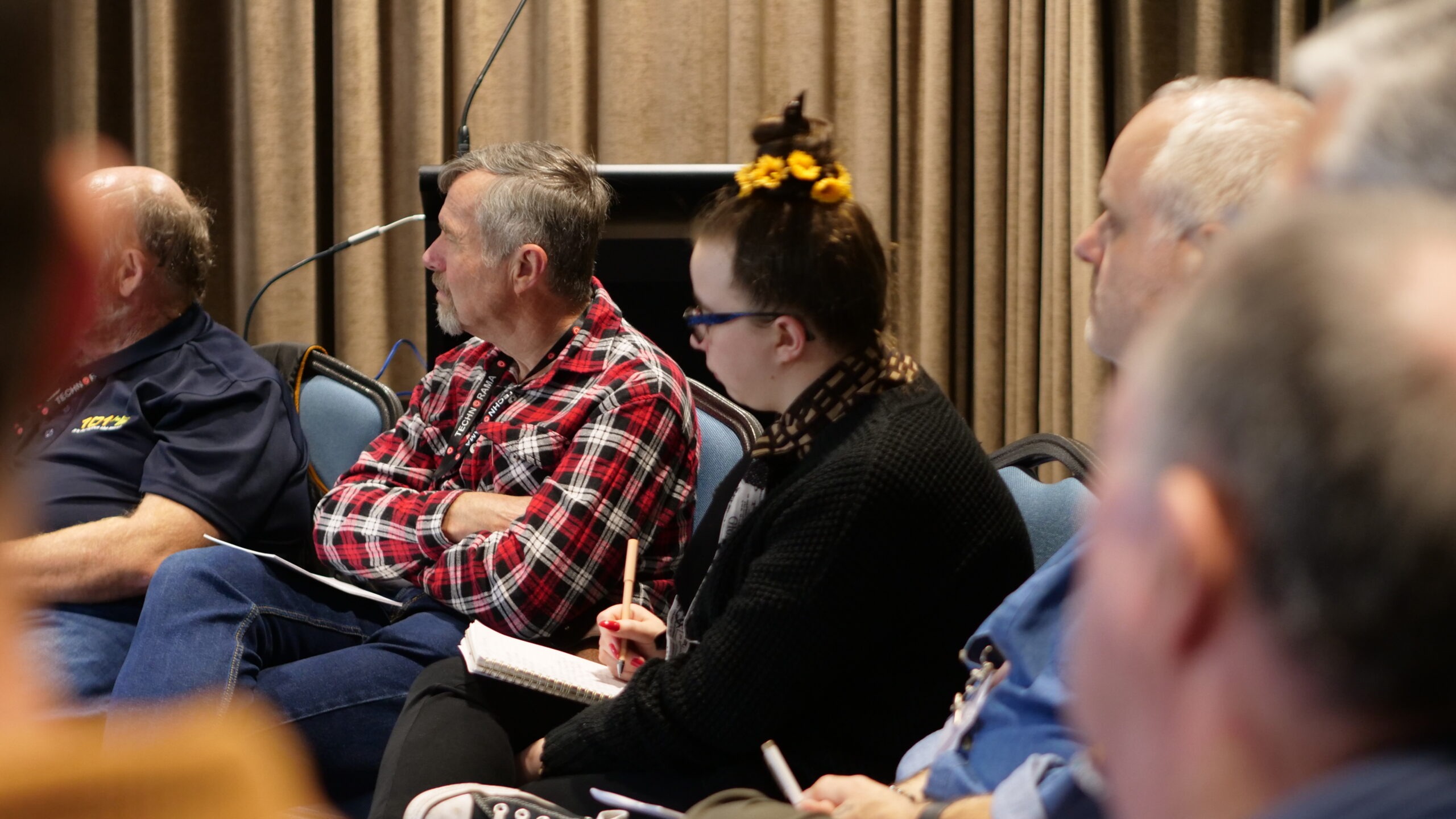
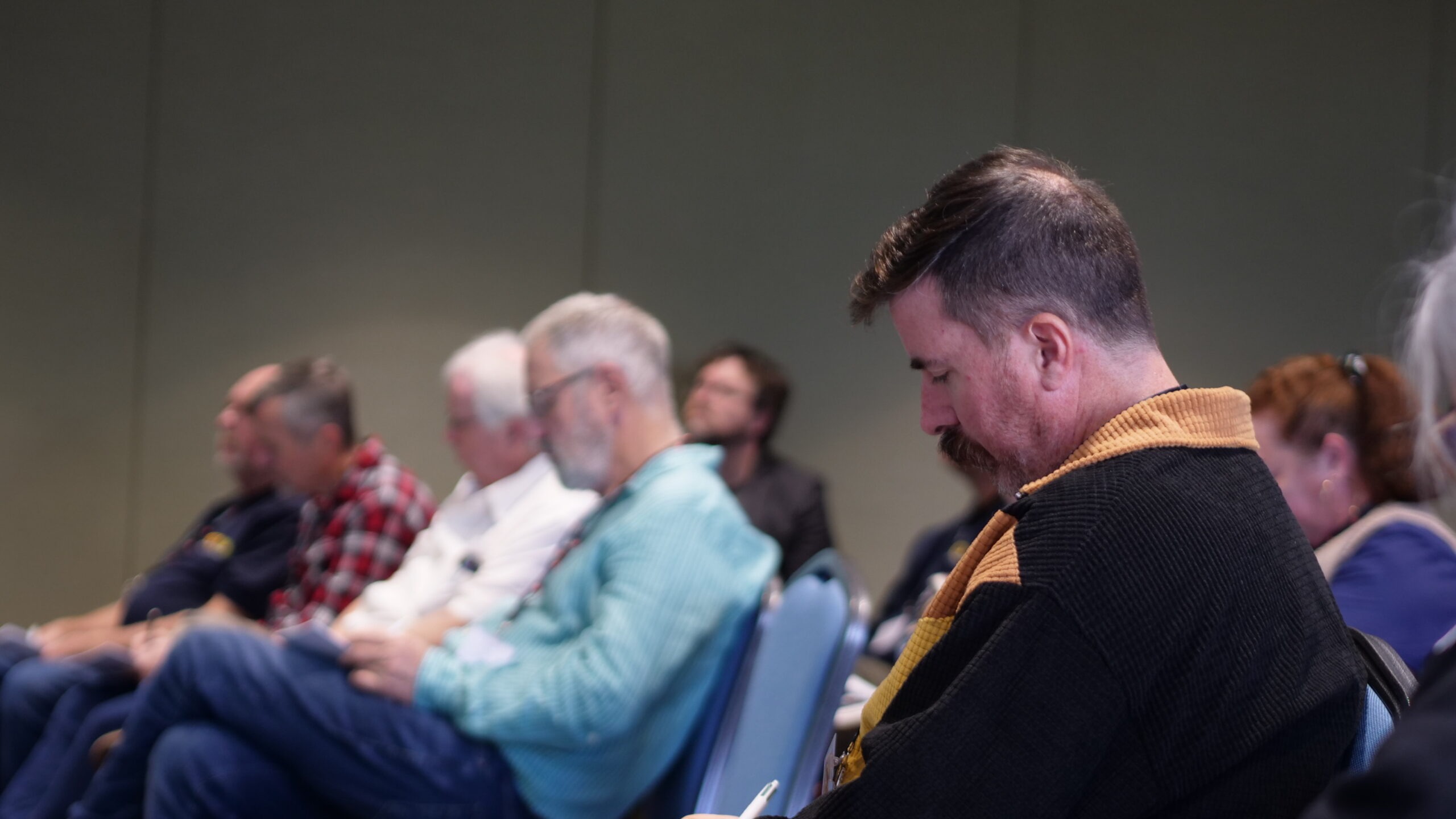
The main conference day of the Technorama TR26 Roadshow Gold Coast is underway at the Sofitel Gold Coast Broadbeach, bringing together community broadcasters, station leaders, technicians, volunteers and industry professionals from across Australia.
Held under the theme Crisis Averted, Saturday’s program focused on practical ideas that stations can use to reduce risk, prepare for technical failures and keep broadcasting when things do not go to plan.
Strong Coffee and Stronger Connections
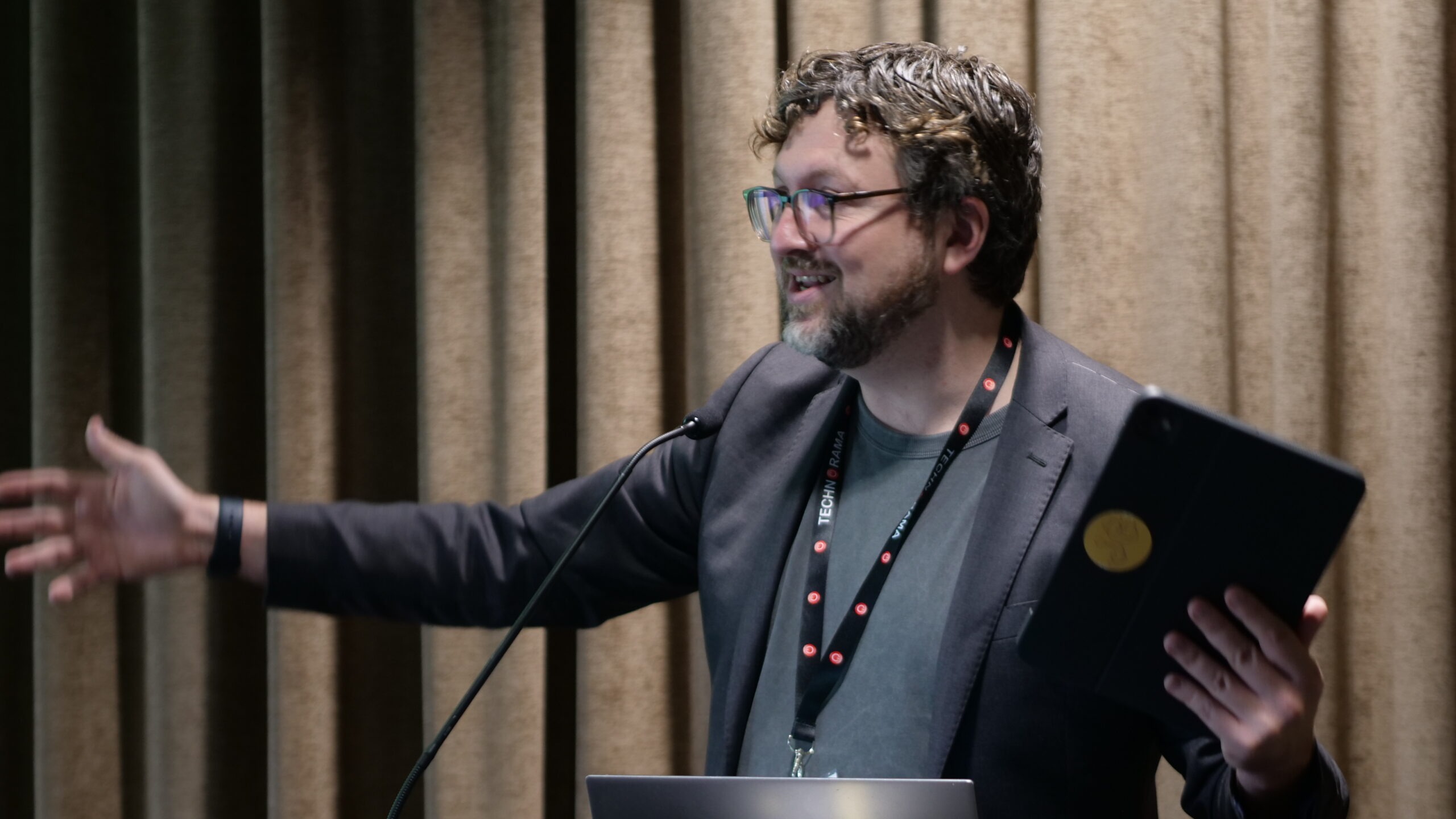
The day began with plenty of strong coffee before JB led an energetic networking and attendee introduction session.
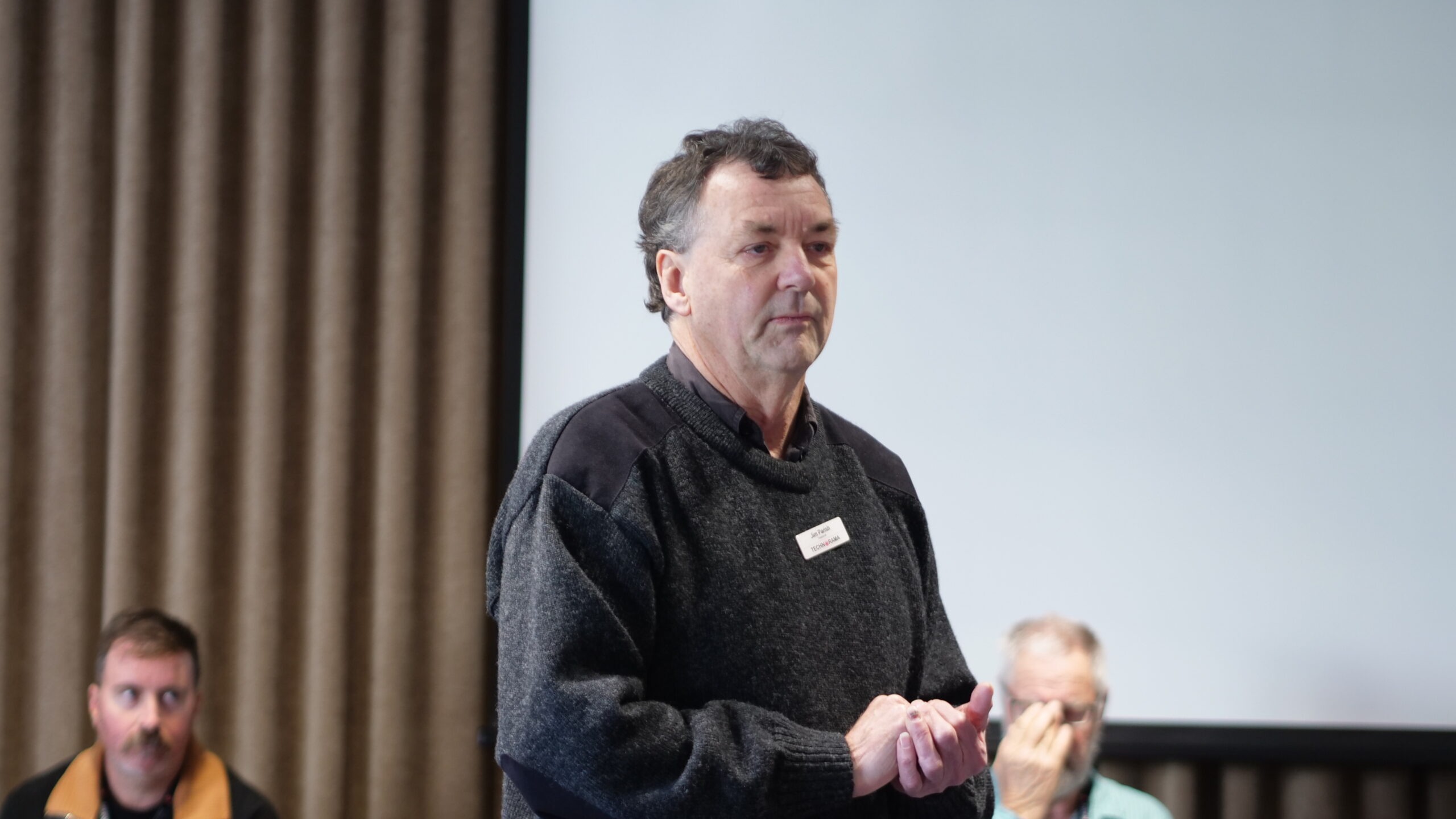
With so many different backgrounds, roles and levels of technical experience represented in one room, the session provided an opportunity for attendees to introduce themselves, share their experience and talk about what they hoped to learn throughout the day.
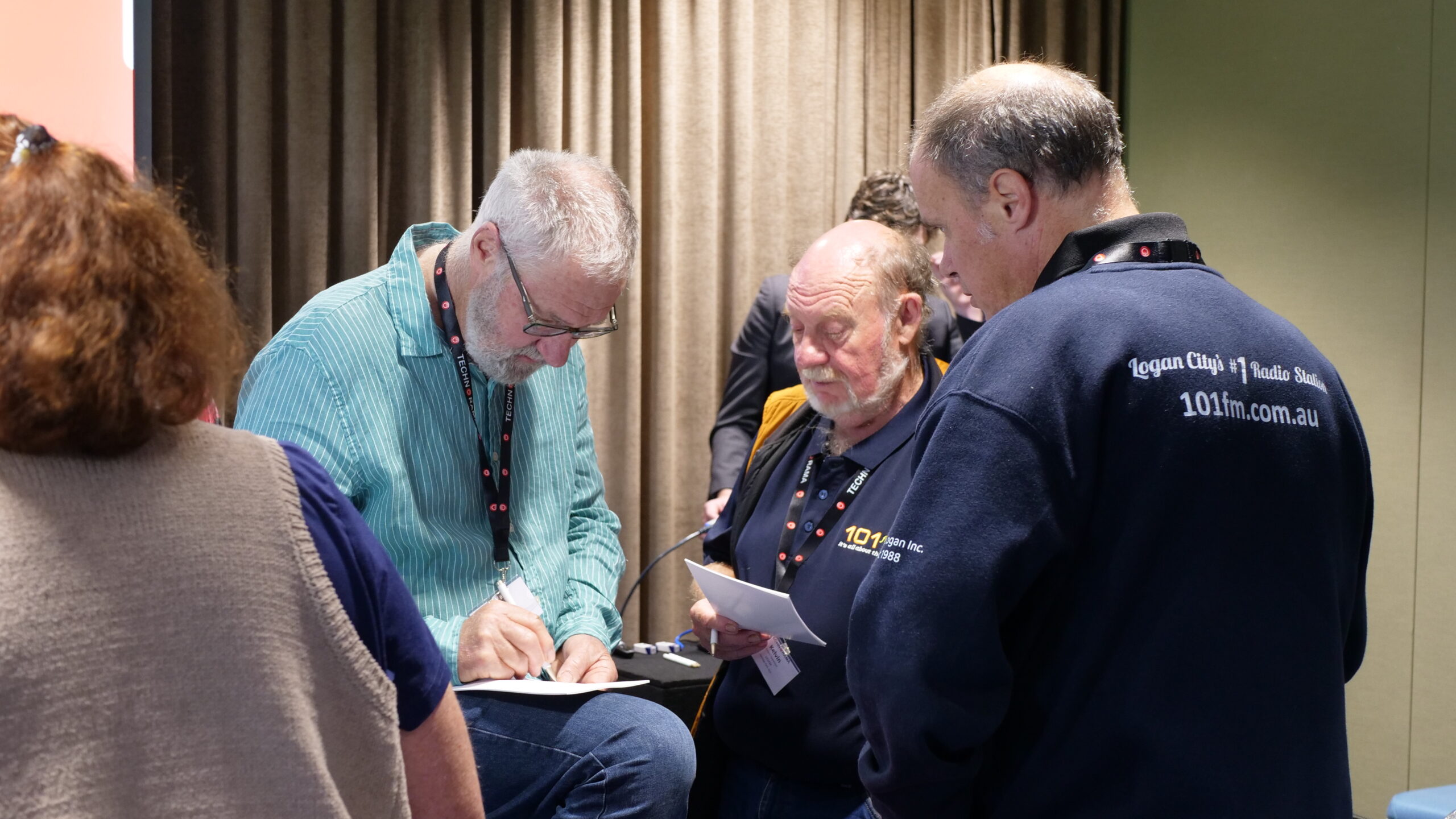
These connections are an important part of every Technorama event. Stations often face similar challenges, and bringing people together allows practical solutions, lessons and contacts to be shared across the sector.
Keeping Your Station on Air
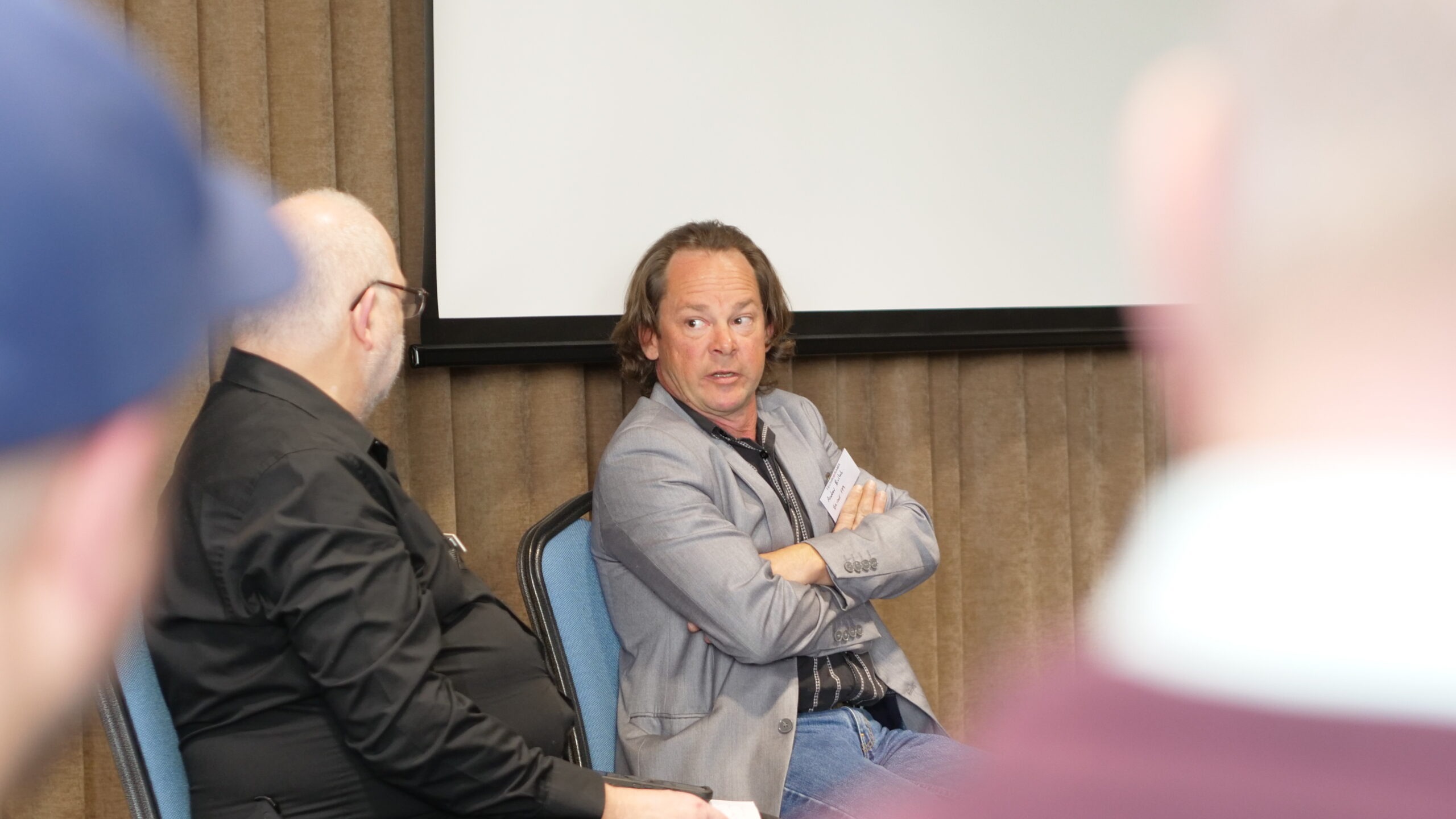
John Maizels opened the main program in conversation with Andrew Bullock from RadioTAB.
Andrew shared stories from his broadcasting career, discussed projects he has worked on and reflected on the experience gained from operating in professional broadcast environments.
The conversation explored what stations can do to plan for the future, reduce technical risk and make sure their systems can be understood and recovered by more than one person.
It reinforced one of the central messages of TR26: a station is more resilient when its knowledge, systems and recovery processes are shared rather than held by a single volunteer or technician.
Bulletproof Broadcasting
The Bulletproof Broadcasting session turned the focus towards what stations should do when equipment, software or infrastructure begins to fail.
Rather than assuming every failure can be prevented, the discussion looked at how stations can prepare for problems and continue broadcasting when something unexpected happens.
The session explored practical approaches to backup systems, recovery planning and identifying the equipment and services that are essential to remaining on air.
For volunteer-operated stations, the most useful solution is not always the most complicated. Systems need to be reliable, clearly understood and manageable by the people who will actually use them during an emergency.
Understanding the Transmission Site
The program then moved beyond the studio for a session on transmission sites, antennas and cabling.
A station may have a modern studio and reliable playout system, but its transmission site can quietly become one of its biggest risks.
Antennas, feeders, connectors, power supplies, cooling systems and site access can all affect a station’s ability to remain on air. Small maintenance issues can become major failures when they are not detected or documented early.
The session encouraged stations to regularly inspect their transmission infrastructure, understand how each component connects and make sure the right people know how to access and respond to problems at the site.
Designing Systems People Can Manage
After lunch, the Good Enough with Ryan from Hot Tomato, session challenged the idea that every broadcast system must be perfect or highly complex.
Instead, the focus was on designing systems that are appropriate for the station, maintainable by its team and easy to recover when something goes wrong.
A technically impressive system is not necessarily a resilient system. If only one person understands how it operates, even a minor failure can leave the station off air.
The session highlighted the value of straightforward designs, sensible backups, clear labelling and equipment that can be supported within the station’s available budget and volunteer skill base.